
Our planet is getting warmer.
Greenhouse gases from factories, vehicles and energy use trap heat in the atmosphere, causing climate change.

© ESPC · espcph.com
CARBON CREDITS
A simple guide to why they matter and how they work
Greenhouse gases from factories, vehicles and energy use trap heat in the atmosphere, causing climate change.
In 2015, countries adopted the Paris Agreement. Each country sets its own climate goals and works to reduce greenhouse gas emissions.
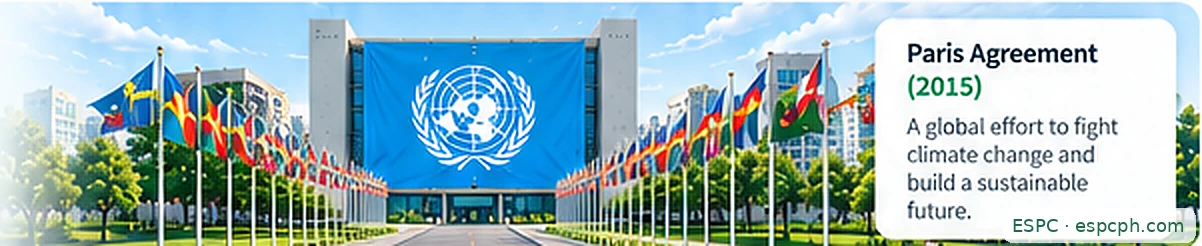
Many countries are introducing climate regulations. Power plants, factories, airlines, buildings and other industries are taking action.

In some countries, companies covered by carbon pricing rules must pay for emissions. Reducing emissions can help lower those costs.
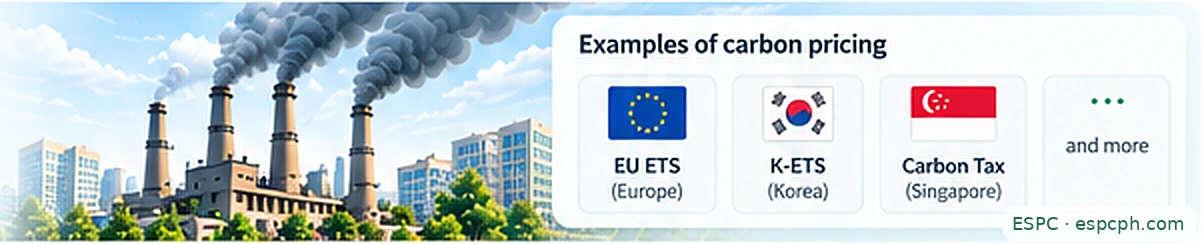
Hotels, offices, factories and public facilities use electricity and fuel for lighting, cooling, machines and daily operations. This can create CO₂ emissions.

How much CO₂e does your site emit today? How much could you reduce? We first examine your energy use and operations to find out.
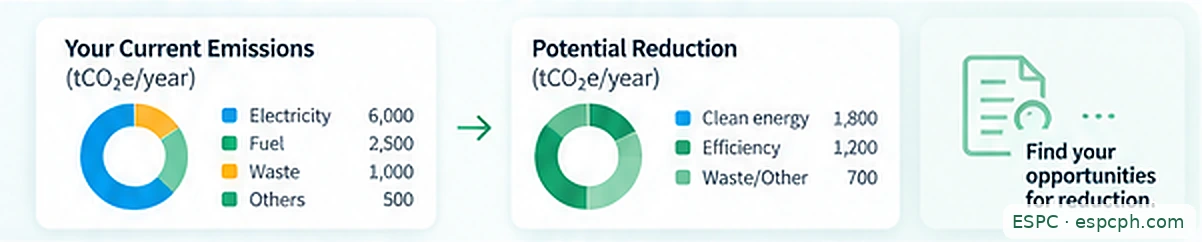
Solar, wind and other cleaner electricity sources can reduce emissions compared with fossil-fuel energy.

You may also reduce emissions from waste, wastewater, refrigerants, equipment and daily operations — even without new solar panels.

We use meters, data and digital monitoring to compare actual emissions with an appropriate baseline and track the reductions.

Projects must meet a suitable methodology, additionality and monitoring requirements. Independent verification and program approval come before issuance.

Issued credits may be sold to eligible buyers. One credit generally represents one tonne of CO₂e reduced or removed under the relevant standard. Sales and prices are not guaranteed.

We identify and develop carbon reduction projects, assess potential, support digital MRV, and prepare evidence for independent verification and possible credit issuance and sales.


YOUR SITE MAY HAVE UNTAPPED POTENTIAL
Find out how much your site emits today, where reductions may be possible, and whether a qualifying carbon credit project makes sense.
Talk to ESPCImportant: Renewable energy or energy savings do not automatically earn carbon credits. Eligibility depends on project rules, additionality, monitoring, independent verification and program issuance. Carbon pricing obligations vary by country and sector. Sales and revenue are not guaranteed.
ESPC's original educational content and illustrations may not be copied, republished, distributed or commercially reused without prior written permission, except where allowed by applicable law. Third-party trademarks and other protected material remain the property of their respective owners.
ESPC · www.espcph.com